
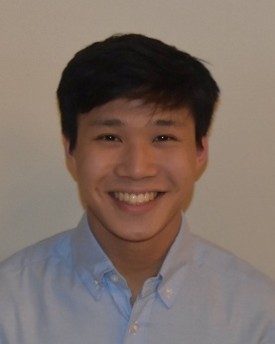
Medical Student
Department of Orthopaedics
Icahn School of Medicine at Mount Sinai
Undergraduate Degree:
Bachelor of Arts, Genomics and Computational Biology, Washington University in St. Louis
Who do you consider your mentors?
James Iatridis PhD, Andrew Hecht MD, Nilsson Holguin PhD, Neharika Bhadouria PhD
What is your specific area of interest in research?
How biomechanical and structural changes associated with intervertebral disc degeneration affect surrounding neural tissues and contribute to the development of pain.
What are you currently working on?
Multi-tissue scRNA-seq analysis of the intervertebral disc, dorsal root ganglion, and spinal cord in a chronic discogenic pain rat model
What has been the biggest challenge for you lately in your research?
As an aspiring surgeon-scientist, I am navigating the uncertainty of a rapidly evolving research landscape. Understanding where the field is headed, how changes in government funding will redefine scientific discovery, and how I can contribute meaningfully has become one of my greatest challenges.
What projects are you looking forward to?
I look forward to assessing spinal deformity and curvature following injury in animal models to better understand the structural changes that occur during disease progression and recovery.
What changes would you like to see in the future of the orthopedic research community?
A continued dedication to uplifting and supporting fellow laboratories and institutions in the pursuit of discovery.
What do you like to do outside of your work?
Playing basketball, watching any sport, learning the electric guitar, going to the beach
What is the last book you read?
The Hidden Life of Trees: What they Feel, how they Communicate – Discoveries from a Secret World
What is the most unusual/unexpected item sitting on your desk right now?
3D-printed Star Wars X-wing starfighter
Combined Flexion, Torsion and Compression Drive Distinct Intervertebral Disc Failure
Mechanisms Under Asymmetric, High-Cycle Loading
Amra Šećerović, Aapo Ristaniemi, Francesco Crivelli, Sarah Heub, Mauro Alini, Gilles Weder, Diane Ledroit, Stephen J. Ferguson, Sibylle Grad
https://doi.org/10.1002/jsp2.70163
Cellular loading is a major determinant of intervertebral disc (IVD) health, yet the specific mechanical conditions that initiate degeneration remain incompletely understood. While flexion, torsion, and compression are individually recognized risk factors for disc injury, these motions rarely occur in isolation during daily activities. Recent advances in multiaxial bioreactor systems now allow investigators to reproduce complex spinal loading environments and study their effects under controlled conditions. This study investigated how loading magnitude, symmetry, and cycle number influence structural, cellular, and molecular responses within the IVD under combined flexion, torsion, and compression.
An ex vivo bovine caudal disc organ culture model was used to evaluate 3 distinct loading regimens over 14 days. All groups were subjected to 0.1 MPa static compression combined with varying degrees of flexion and torsion, ranging from symmetrical low-cycle loading (10,080 cycles) to asymmetrical high-cycle loading (100,800 cycles). Disc responses were assessed through histology, cell viability analysis, biochemical assays, cytokine release measurements, and gene expression profiling. Structural damage, extracellular matrix composition, inflammatory mediator release, and regional cellular responses were evaluated across the annulus fibrosus (AF) and nucleus pulposus (NP), providing a comprehensive assessment of degeneration-related changes under complex loading conditions.
The study demonstrated that loading pattern and cycle number were far more influential than motion magnitude alone. Symmetrical loading, even at larger rotational angles, preserved disc structure and maintained high cell viability throughout the tissue, averaging 88% ± 14% across disc regions. In contrast, asymmetrical loading combined with a 10-fold increase in loading cycles produced distinct structural failure patterns, including intralamellar fissures predominantly on the tensed side of the AF and delaminations on the compressed side. Despite maintaining high viability in the outer AF (81% ± 17%), inner disc regions experienced substantial cell loss, with viability reductions of up to 78% in the NP and inner AF. The high-cycle asymmetrical loading group also exhibited significantly increased nitric oxide release and marked upregulation of catabolic genes, including MMP1 expression exceeding 6000-fold relative to controls. Particularly noteworthy was the observation that structural failure and cellular death occurred in different regions of the disc, suggesting that mechanical loading can independently drive distinct degenerative pathways. By integrating structural, cellular, biochemical, and molecular outcomes within a sophisticated multiaxial loading platform, this study provides important biomechanical insight into how complex spinal motions contribute to disc degeneration and establishes a powerful experimental framework for future investigations of injury mechanisms and regenerative therapies.


Leave A Comment