New Approach Methodologies (NAMs) for Orthopaedic Preclinical Research — Understanding and Aligning with Regulatory Priorities
Fourth Installment of the ORS Ask the Expert Series
NAMs are rapidly reshaping the future of preclinical research. Propelled by international regulatory shifts, including those from the U.S. FDA and NIH and the European Commission, NAMs aim to improve clinical translation, reduce reliance on animal models where possible, and accelerate therapeutic development. Orthopaedic research faces distinct technical hurdles in adopting these methods, including modeling complex interface physiology and biological crosstalk across musculoskeletal tissues, as well as recapitulating in vivo mechanical loading environments. This discussion aims to clarify what NAMs mean for orthopaedic science, highlight biologically and clinically relevant modeling approaches, and explore how the musculoskeletal research community can engage with evolving regulatory expectations.
This interview was organized by the ORS Public Outreach Committee.
Speakers

Annemarie Lang, DVM PhD
Assistant Professor at University of Michigan (Ann Arbor, Michigan)
Dr. Lang earned her veterinary degree (Dr. med. vet./DVM) and a PhD specializing in Regenerative Therapies and Biomedical Sciences at Freie Universität Berlin, followed by postdoctoral training at Charité–Universitätsmedizin Berlin. As a Marie Curie Postdoctoral Fellow with Joel D. Boerckel, PhD, at the University of Pennsylvania, she studied local oxygenation within the fracture gap and discovered that bone fractures initiate localized erythropoiesis, which regulates oxygen levels and drives subsequent repair, findings that form the foundation of her research program. She completed her training in the lab of Prof. Michael Gelinsky at the Technical University Dresden. In January 2025, she joined the Department of Orthopaedic Surgery at the University of Michigan as a tenure-track Assistant Professor.
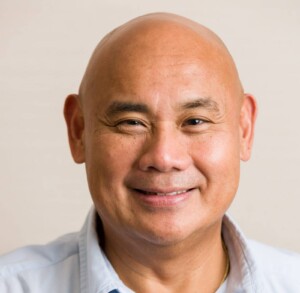
Danilo Tagle, PhD
Senior Scientific Advisor on Regulatory and Translational Research at NCATs, NIH
Dr. Tagle is Senior Scientific Advisor on Regulatory and Translational Research at NCATS, after retiring as Director of the Office of Special Initiatives. He has led interdisciplinary programs advancing diagnostics and therapeutics in collaboration with agencies including the FDA, NASA, and DARPA, as well as private industry, on projects spanning tissue chips, 3D bioprinting, automated chemistry, electronic nose technology, quantum technologies, and exosome analysis. Earlier in his career he contributed to the positional cloning of genes for Huntington’s disease, ataxia-telangiectasia, and Niemann-Pick disease type C. He has served on advisory and review committees such as the Biological and Physical Sciences Federal Advisory Committee and the LabCorp NAM Scientific Advisory Board. He holds a PhD and MS in molecular biology and genetics from Wayne State University and completed postdoctoral research with Francis S. Collins at the University of Michigan. His honors include several NIH Director’s Awards, the Roscoe O. Brady Award, the Henry J. Heimlich Award, the HHS Secretary’s Award for RADx, and the NASA Silver Group Achievement Award.
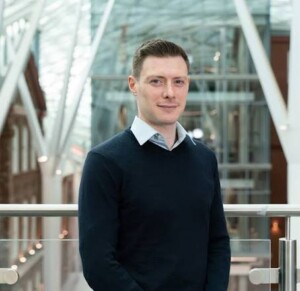
Stefaan Verbruggen, PhD
Lecturer of Medical Technology at Queen Mary University of London (London, UK)
Dr. Verbruggen’s research focuses on the mechanobiology of bone cells and the development of predictive in vitro models of cancer metastasis. As a Visiting Academic at the INSIGNEO Institute of in silico Medicine, he also builds computational models of the biomechanics of metastatic bone lesions. He completed his PhD in bone cell mechanobiology at the Biomechanics Research Centre, University of Galway, followed by postdoctoral research on how fetal movements affect joint development in the Developmental Biomechanics Lab at Imperial College London. He was then awarded a Marie Skłodowska-Curie Research Fellowship at Queen Mary University of London and, through a collaboration with Columbia University, investigated how cancer cells metastasize to bone. His lab recently received an ERC Consolidator Grant to develop organ-on-a-chip models advancing this work.
Committee Moderators and Organizers
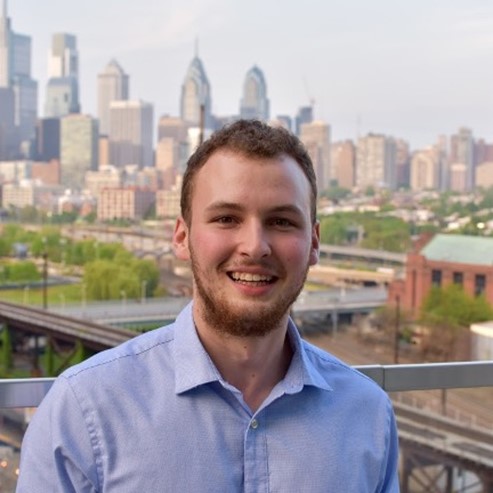
Thomas Leahy, PhD
Applications Scientist at Curi Bio (Seattle, WA)
ORS Public Outreach Committee Member
Dr. Leahy is an Applications Scientist at Curi Bio in Seattle, where he develops engineered tissue models for neuromuscular and cardiovascular indications in preclinical drug discovery and safety pharmacology. He earned his PhD in Bioengineering from the University of Pennsylvania, investigating tendon physiology and structure–function relationships through in vivo and in vitro experiments. He then completed postdoctoral research at the University of Washington, studying mechanobiology and cell adhesion signaling in musculoskeletal and cardiovascular tissues using mouse models and human iPSC-derived organoids. As a member of the ORS Public Outreach Committee, he contributes to initiatives such as the Open Door Event, Advocacy Workshops, and the Ask the Experts Interview Series, working to advance public understanding of orthopaedic science.

Meagan Makarcyzk, PhD
Postdoctoral Scholar at Rush University (Chicago, IL)
ORS Public Outreach Committee Member
Dr. Makarcyzk recently completed her doctoral studies at the University of Pittsburgh and joined the labs of Dr. Anne-Marie Malfait and Dr. Rachel Miller at Rush University as a postdoctoral fellow focused on musculoskeletal pain research. Her doctoral work centered on developing and validating advanced in vitro musculoskeletal models, integrating tissue engineering, mechanobiology, and quantitative assay design to improve the translational relevance of preclinical orthopaedic studies. As a member of the ORS Public Outreach Committee, she brings experience in both scientific communication and public outreach to this discussion.
