The Call for Abstract Submissions is Now Closed.
When submitting your abstracts for the ORS 2026 Annual Meeting, you will be asked to select the following:
- Topic category (listed in bold)
- Subtopic category (listed below each topic category)
- Keyword(s)
Biomaterials
Controlled Release
Orthopaedic Implant Materials
Repair / Replacement of Hard Tissues
Repair / Replacement of Soft Tissues
Scaffolds
Bone
Diseases and Disorders
Growth, Development and Aging
Injury and Healing
Mechanobiology
Structure, Function and Mechanics
Treatment and Therapeutics
Cartilage and Synovium
Diseases and Disorders
Growth, Development and Aging
Injury and Healing
Mechanobiology
Structure, Function and Mechanics
Treatment and Therapeutics
Clinical Research
Big Data Research
Clinical Research Methods
Health Equity
Observational Studies
Omics, Biomarkers Genetics
Randomized Studies
Systematic Review / Meta-analyses
Education and Outreach
Basic Science Education
Clinical Education
Engineering Education
K-12 Education and Outreach
Foot and Ankle
Diagnostics
Growth, Development and Aging
Injury and Healing
Structure, Function and Mechanics
Surgical and Non-Surgical Interventions | Hand and Wrist
Biomechanics
Imaging
Osteoarthritis
Surgical and Therapeutic Innovation
Tendon, Ligament and Neuromuscular Disorders
Hip and Knee Arthroplasty
Clinical Outcomes
Complications/Infections
Implant Materials, Fixation and Wear
Kinematics and Computational Modeling
Robotics and AI
Hip
Diagnostics
Growth, Development and Aging
Injury and Healing
Structure, Function and Mechanics
Surgical and Non-Surgical Interventions
Imaging
Image Analyses
Hard Tissue
Soft Tissue
Infection
Biomarkers and Outcomes
Treatment and Therapeutics
Intervertebral Disc
Diseases and Disorders
Growth, Development and Aging
Injury, Healing and Pain
Structure, Function and Mechanics
Treatment and Therapeutics
Knee
Diagnostics
Growth, Development and Aging
Injury and Healing
Structure, Function and Mechanics
Surgical and Non-Surgical Interventions
| Meniscus
Growth, Development and Aging
Injury and Healing
Structure, Function and Mechanics
Treatment and Therapeutics
Multi-Organ System Crosstalk
Highlight research that evaluates the intersection and crosstalk between multiple tissues and organs.
Shoulder and Elbow
Arthroplasty
Diagnostics
Growth, Development and Aging
Injury and Healing
Structure, Function and Mechanics
Surgical and Non-Surgical Interventions
Skeletal Muscle
iseases and Disorders
Exercise and Rehabilitation
Growth, Development and Aging
Imaging, Treatment and Clinical Outcomes
Injury and Healing
Structure, Function, Mechanics, and Mechanobiology
Spine
Diagnostics
Growth, Development and Aging
Injury, Healing and Pain
Structure, Function and Mechanics
Surgical and Non-Surgical Interventions
Tendon and Ligament
Diseases and Disorders
Growth, Development and Aging
Injury and Healing
Structure, Function and Mechanics
Treatment and Therapeutics
Tumors
Genetics
Metastatic
Primary Tumors
Treatment and Therapeutics |
| 3D Printing | In vitro/Ex vivo Model |
| Adipocytes | Infection |
| Big Data Research/Database Studies | Inflammation |
| Aging/senescence | Injury |
| AI/ML/Deep Learning | Intervertebral Disc |
| Allografts | Joint Mechanics |
| Anesthesia and Analgesia | Kinematics, Kinesiology |
| Arthroplasty | Knee/tibia-fibula |
| Articular Cartilage | Ligament and Tendon |
| Biofilm | Matrix Proteins and Catabolic Enzymes |
| Biology | Mechanics |
| Biologics (including PRP)/Therapeutics | Mechanobiology |
| Biomarkers | Meniscus |
| Biomaterials | Meta-analysis/Systematic Review Methods |
| Biomechanics | Metabolic Bone Disease/Metabolism/Metabolomics |
| Bioreactor | Microbiome |
| Blood Vessels and Blood Flow | Motion Analysis/Kinetics (Non-gait) |
| Bone | MRI |
| Calcification | Muscle |
| Cartilage | Musculoskeletal Modeling |
| Cell | Nanotechnology |
| Chondrocytes | Nerve |
| Clinical | Obesity |
| Clinical Research (will include Outcomes Research, Cohort Studies) | Observational Studies |
| Clinical Research Methods | Osteoarthritis |
| Computational Modeling | Osteoblast |
| Computed Tomography | Osteochondral |
| Crosstalk | Osteoclast |
| Developmental Biology | Osteocyte |
| Diagnostics | Osteolysis |
| Digital Health/Digital Twin | Osteonecrosis |
| Disease/dystrophy/disorder | Osteoporosis |
| Diversity, Equity, Inclusion | Pain |
| Dysplasia | Patient Reported Outcomes |
| Education and Outreach | Pediatric |
| Elbow/forearm | Pelvis |
| Enthesis | Preclinical Model |
| Epidemiology | Proteomics |
| Epigenetics | Randomized Trials |
| Extracellular Matrix | Regeneration |
| Extracellular Vesicles | Repair |
| Fibrosis | Sensors and Wearables |
| Finite Element Analysis | Shoulder/humerus |
| Foot/ankle | Signaling |
| Fracture fixation | Single Cell Omics |
| Fracture Healing | Soft Tissue |
| Gait | Spatial Omics |
| Gender/Sex Differences | Spine |
| Gene Therapy | Sports Medicine |
| Genetics/Genomics | Statistical Methods |
| Growth Factors | Stem and Progenitor Cells |
| Growth Plate | Stress Response |
| Hand/wrist | Surgical Navigation and Robotics |
| Health Disparities | Survey Research |
| Health Services Research | Synovial Fluid |
| Hip/femur | Synovium |
| Imaging | Tissue Engineering |
| Immunology | Tissue Imaging |
| Impingement | Tumor/oncology/metastases |
| Implant Fixation | Ultrasound |
| Implant Materials | Wear Particles |
| Implant Wear | |
Submitting Your Abstracts
To Submit Your Abstract:
To start, submit or edit your abstract(s), you will need to login with your ORS username and password. If you do not have an ORS username, you will have the opportunity to create one.
Once you are logged in, you will be redirected to the ORS 2026 Abstract Submission site.
New Requirements – Disclose Sex and Sample Size, if applicable.*
- First write your abstract in Microsoft Word using Times New roman, 8-point font, 0.75” margins on all sides, following the ORS Formatting Guidelines. A Template is available to create your abstract.
- Be sure that all text (including title, authors and institutions, disclosures/COI, images and tables) fit onto one page. 3 images and/or tables are allowed per abstract.
- If your research was approved by an IACUC/IRB or Ethics committee please state but you do not need to note the name, i.e.; This study was approved by IACUC. This study was approved by the Ethics Committee.
- *New for 2026 – If applicable – the author will include sex and sample size. If only one sex is used an appropriate justification must be included in the abstract. Failure to provide justification will reduce overall abstract score and ranking.
- References to product names are allowed in abstract, but it is not necessary to include the city/state or country.
- Once you have the one-page abstract, you can complete the online submission by copying and pasting the body of the abstract in the online submission pages.
- Complete ALL steps of the online submission.
- Be sure to upload images supporting your abstract.
- Next save the file as a PDF. PDF documents of accepted abstracts will be used on the ORS online abstract search and on the mobile app.
- Upload the PDF of your complete abstract, including title, authors, author disclosures/conflict of interests, images, references and acknowledgements.
- There will be a $45.00 non-refundable fee to submit your abstract for the ORS 2026 Annual Meeting.
- Once you complete all the steps in the online submission and submit payment, you will receive a green message and check mark on the “Review My Work” screen indicating “Your submission is COMPLETE.”
When completing the information for your abstract submission are you providing information to address these questions?
Rationale and Objectives
- Is the research question or hypothesis well-defined and relevant?
- Is the gap in scientific knowledge and significance clearly articulated?
- Is the scientific background clear – relevant work cited?
- Is the abstract clear, well-organized, and concise?
Methods
- Are the methods, data collection and analysis well-designed and clearly and succinctly described?
- Are key details about animal use included:
- Total number of animals used
- Sex of animals specified
- If one sex is used, is justification provided?
Results and Scientific Rigor
- Quantitative data are included where applicable and include values such as means, standard deviations, percentages, fold changes, etc.
- Are statistical analyses described or referenced?
- Is statistical significance indicated, if applicable e.g., p-values, confidence intervals, effect sizes.
- Overinterpretation: Do the results make claims beyond what the data show.
- Missing control or comparison information: It should be clear what the results are being compared against.
Conclusions and Significance
- Are conclusions supported by data?
- Is the importance of the findings or relevance to the field clearly conveyed?
Abstract Submission Deadline: Monday, August 25, 2025
The last day to make edits to your abstract is August 25, 2025. Please note: You WILL NOT be able to edit the abstract after the August 25, 2025, deadline even if the abstract is accepted.
Acceptance notices will be sent to authors on November 5, 2025.
The themes and sessions in the Annual Meeting program are not prescribed by the ORS Annual Meeting Scientific Program Committee but directly represent the abstract submissions. If you would like to see more of a certain topic, please encourage your colleagues in that area to submit to the ORS. The ORS Annual Meeting Scientific Program Committee strives to have at least one podium session covering each of the twenty topic categories listed above.
Why Submit Your Research for Presentation?
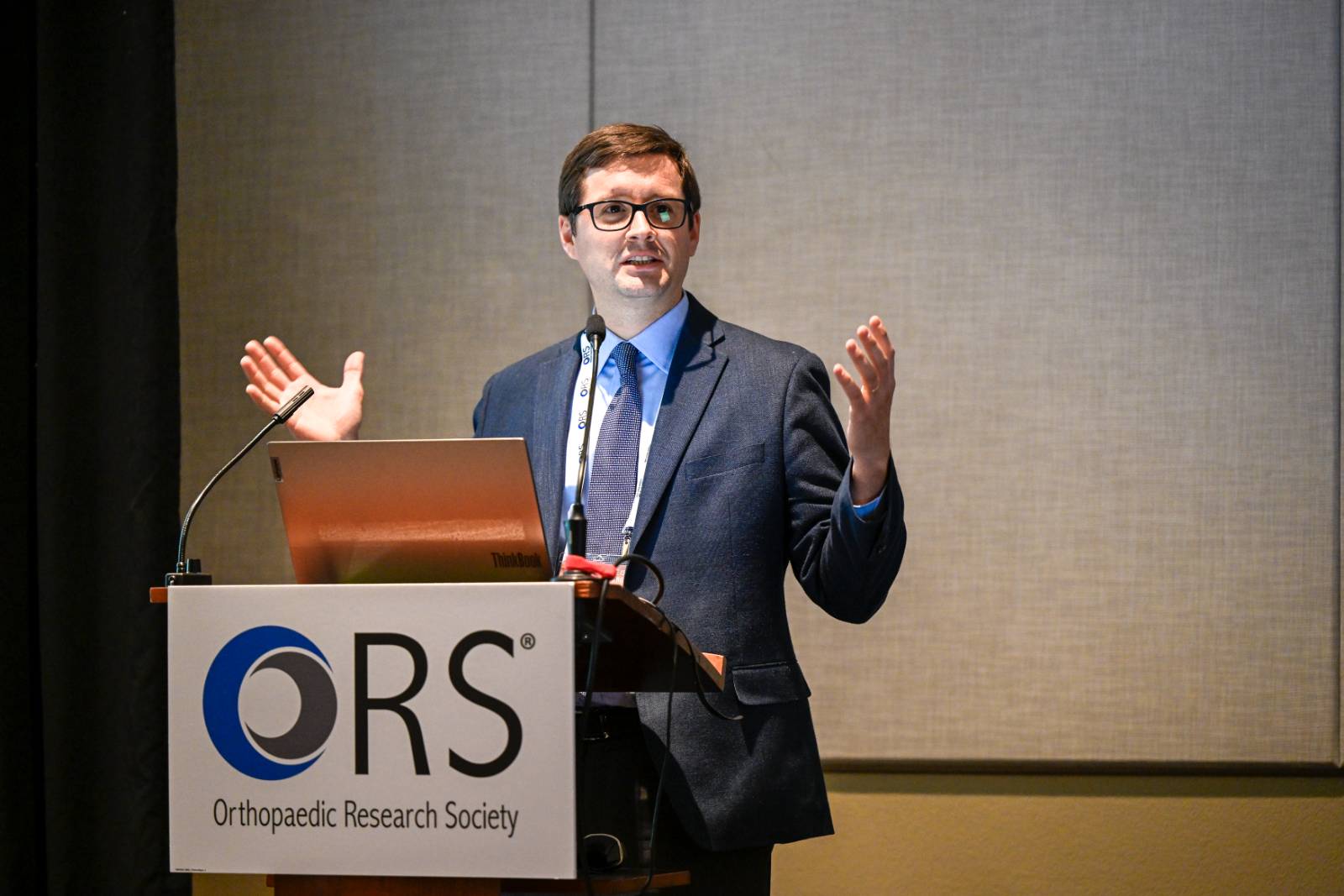
- The ORS is home to the top experts from around the globe in the field of musculoskeletal research; biologists, engineers, orthopaedic surgeons, physical therapists, veterinarians and clinicians.
- The ORS Annual Meeting is the leading forum for the presentation of high-quality, innovative and transformative research.
- ORS provides awards and grants for the early career, mid-career and established investigator based on high-quality abstracts.
Award and grant opportunities are available to ORS members. If you’re not currently a member but would like to join the ORS, please complete a membership application prior to abstract submission. Membership applications must be received on or before Monday, August 25 to be eligible to receive an ORS award or grant. Please contact the ORS office at [email protected] if you have questions regarding membership.
Presenting Authors will automatically be considered for all applicable awards and grants based on information gathered upon submission of his or her abstract. Awards and grants include:
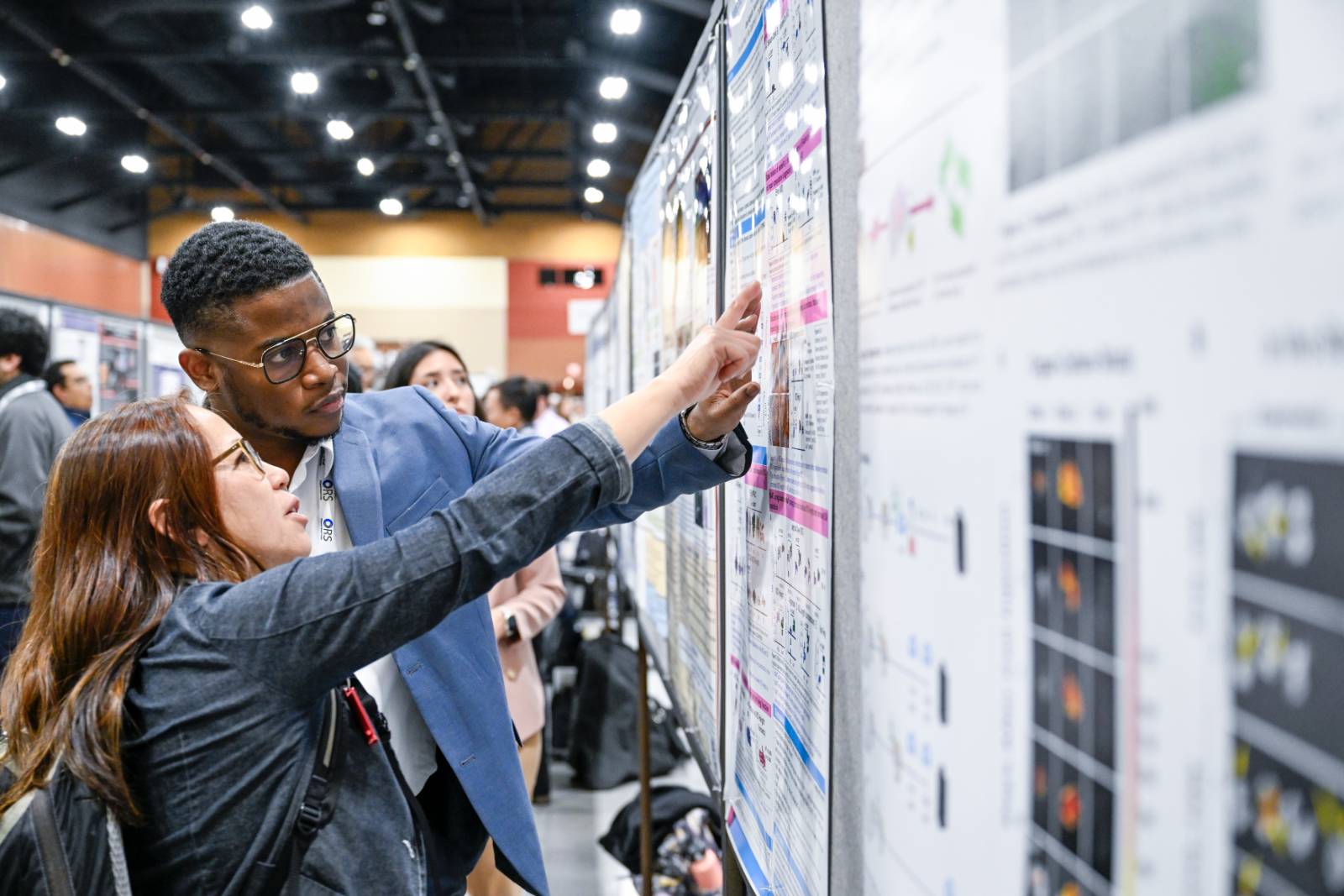 Abstracts Accepted for a Poster Presentation
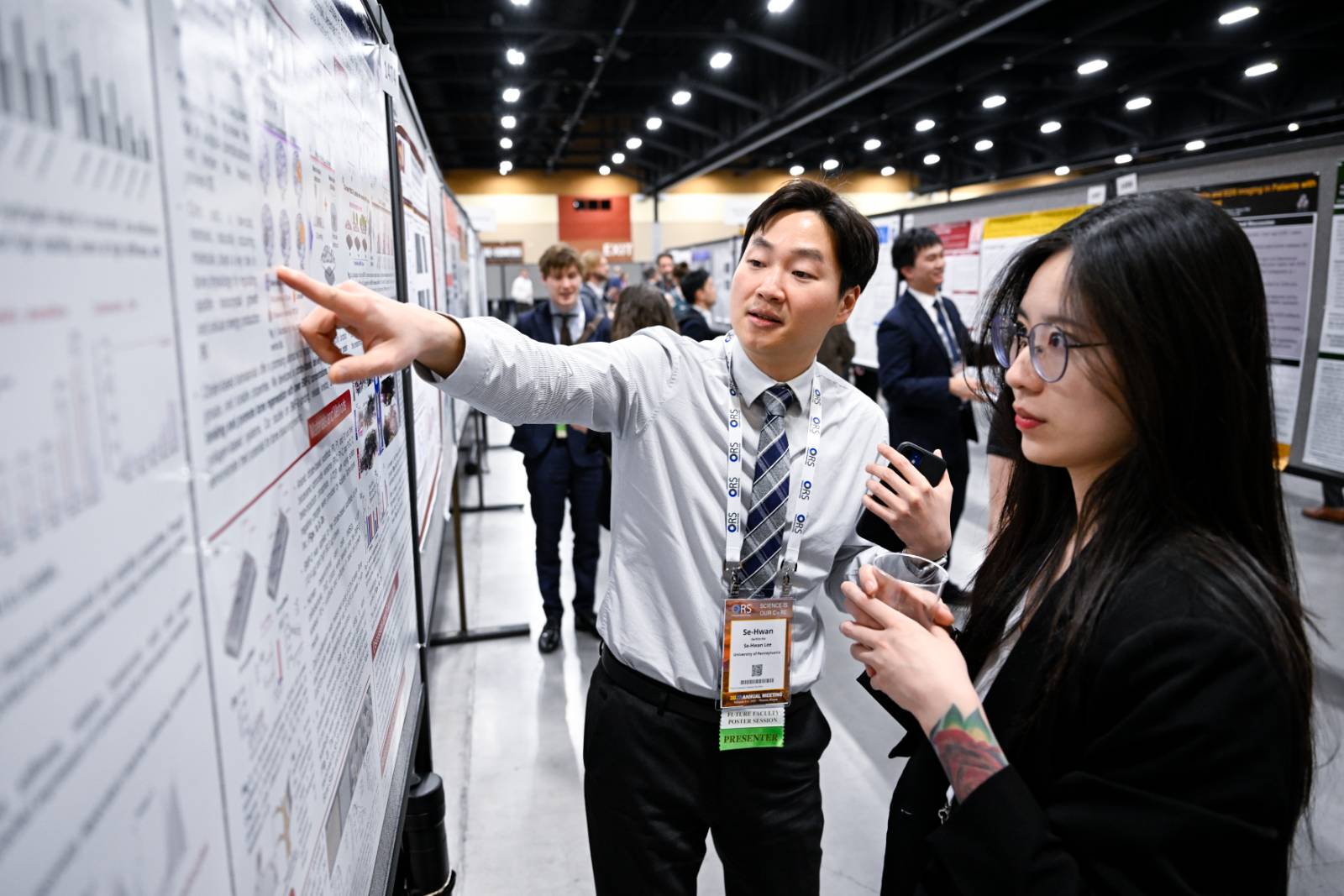
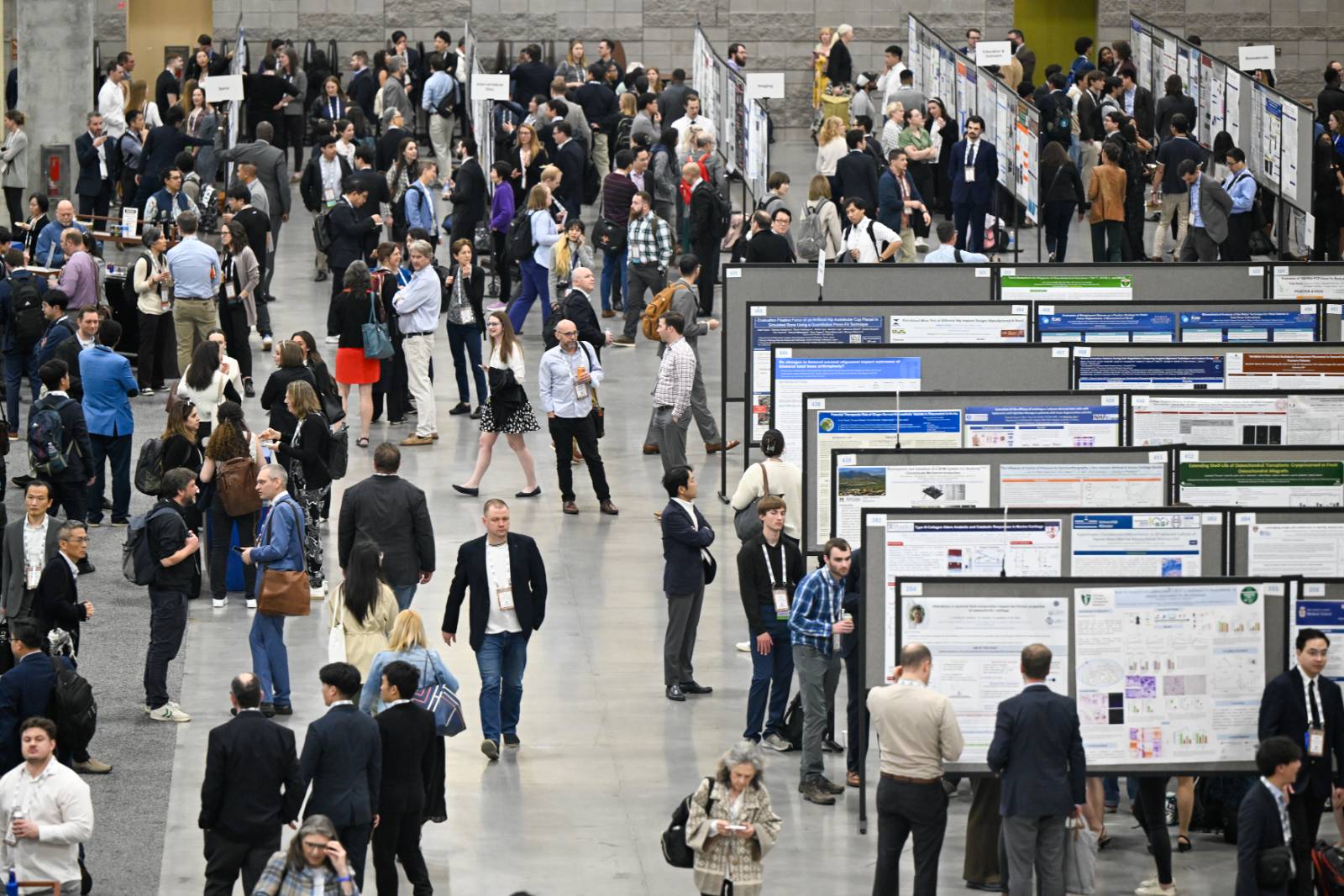
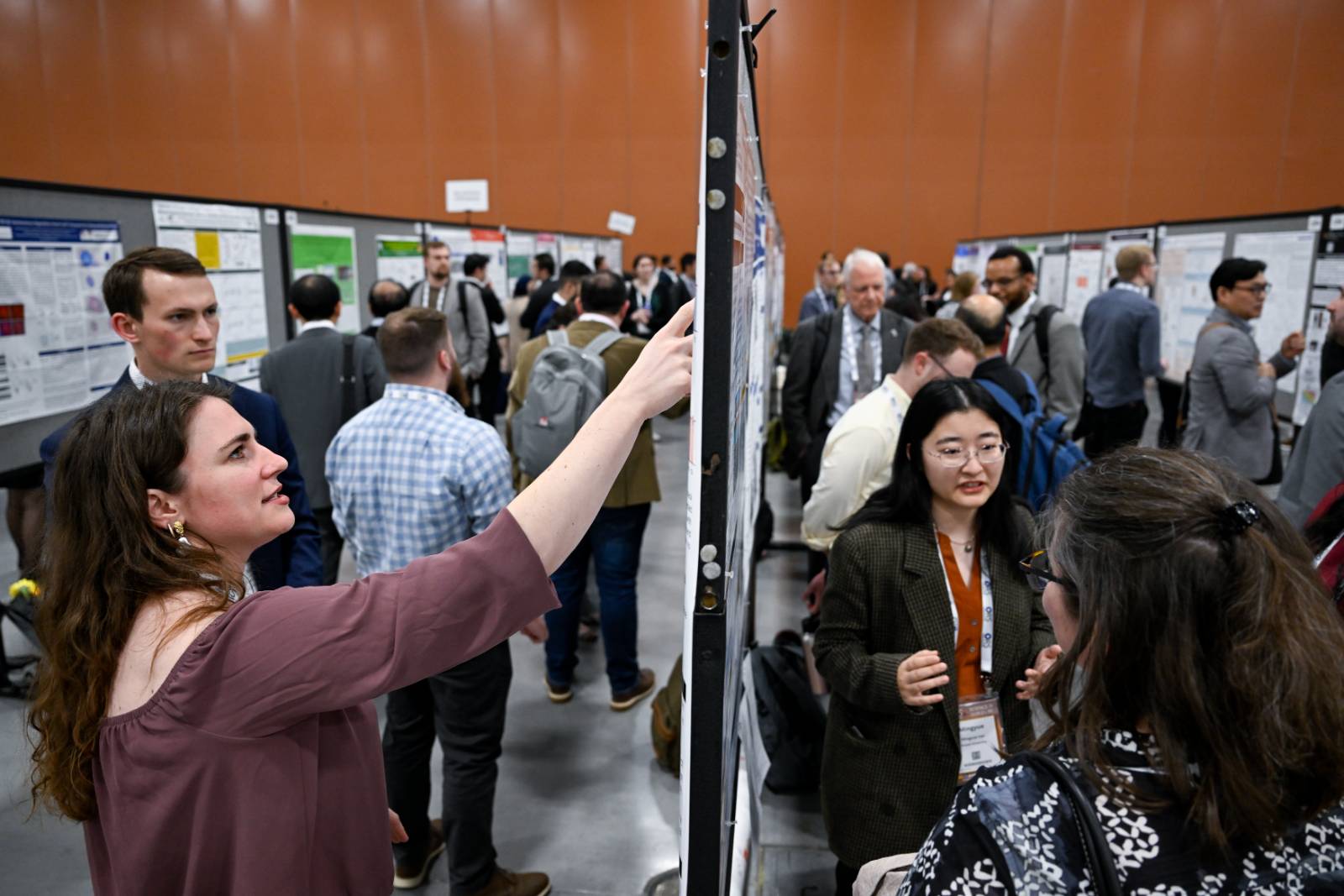
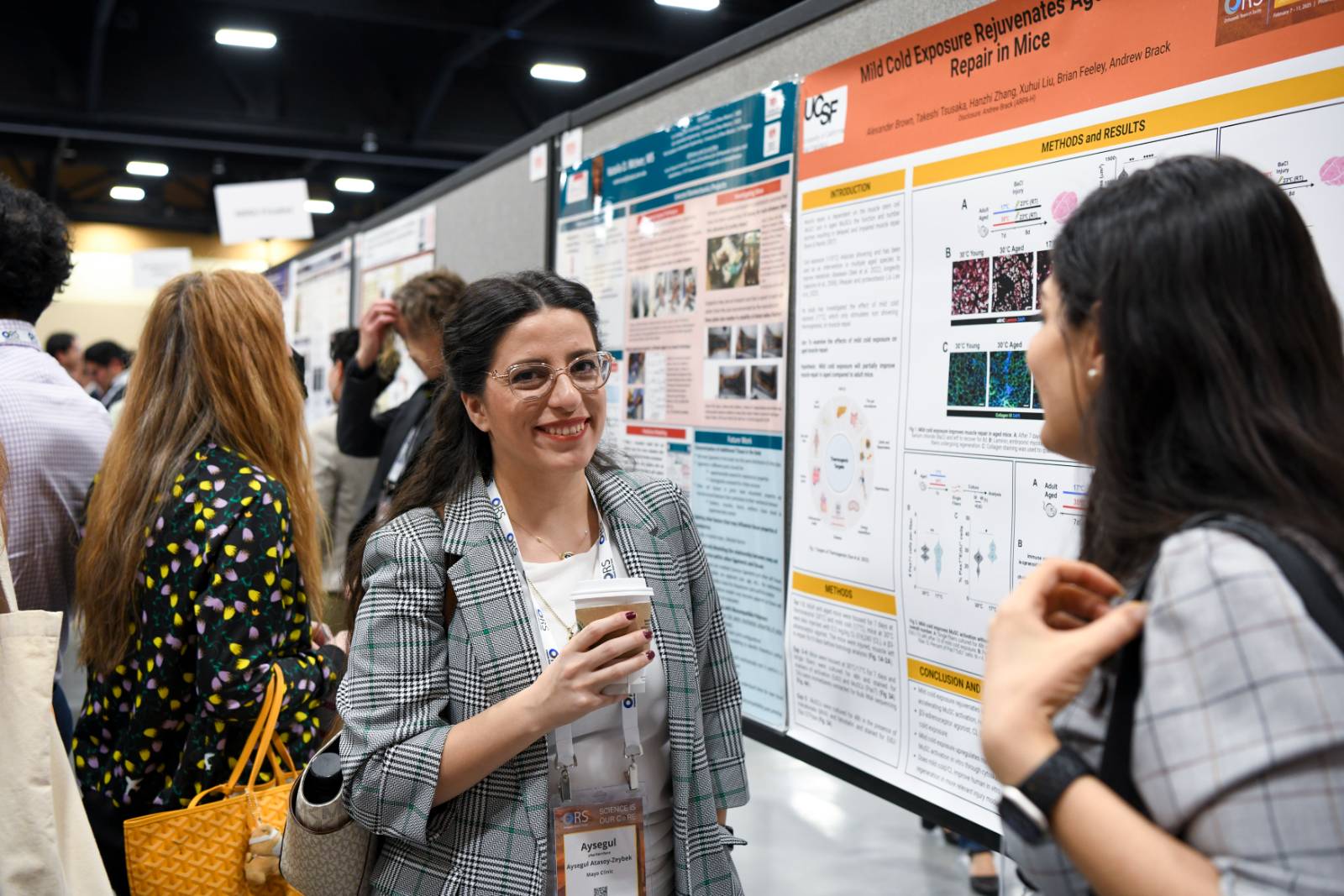
Poster Presenters will be able to get approval to attend the meeting in person and display a poster in the Poster/Exhibit Hall during the appropriate poster session. ORS is planning to secure a paid poster printing service that you can utilize to print and hang your poster. All poster authors are encouraged to embed a QR code that leads to a self-recorded talk (3 minutes in length). This adds special value to you as an author and provides details of your presentation throughout the meeting.
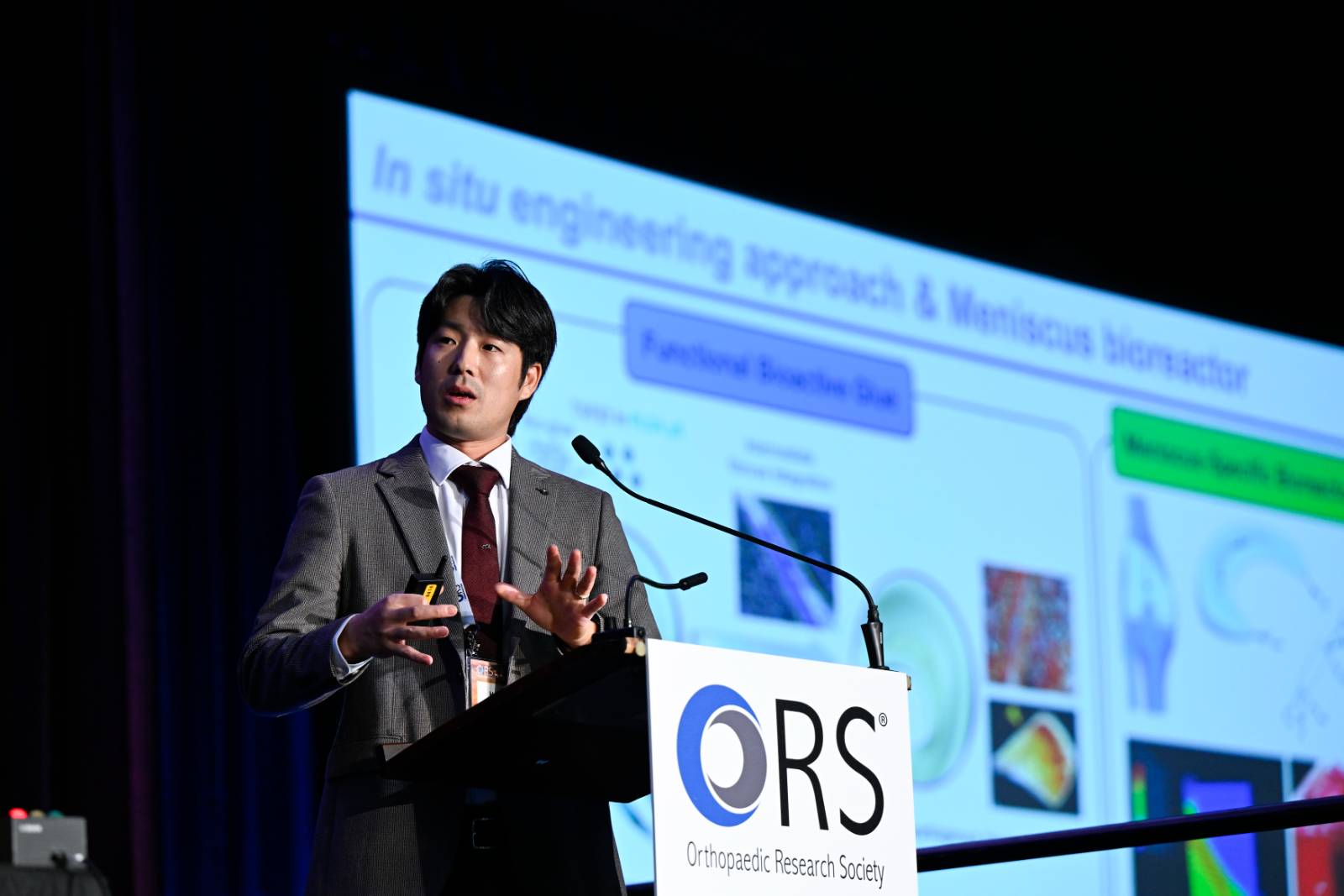 Abstracts Accepted for Podium Presentation
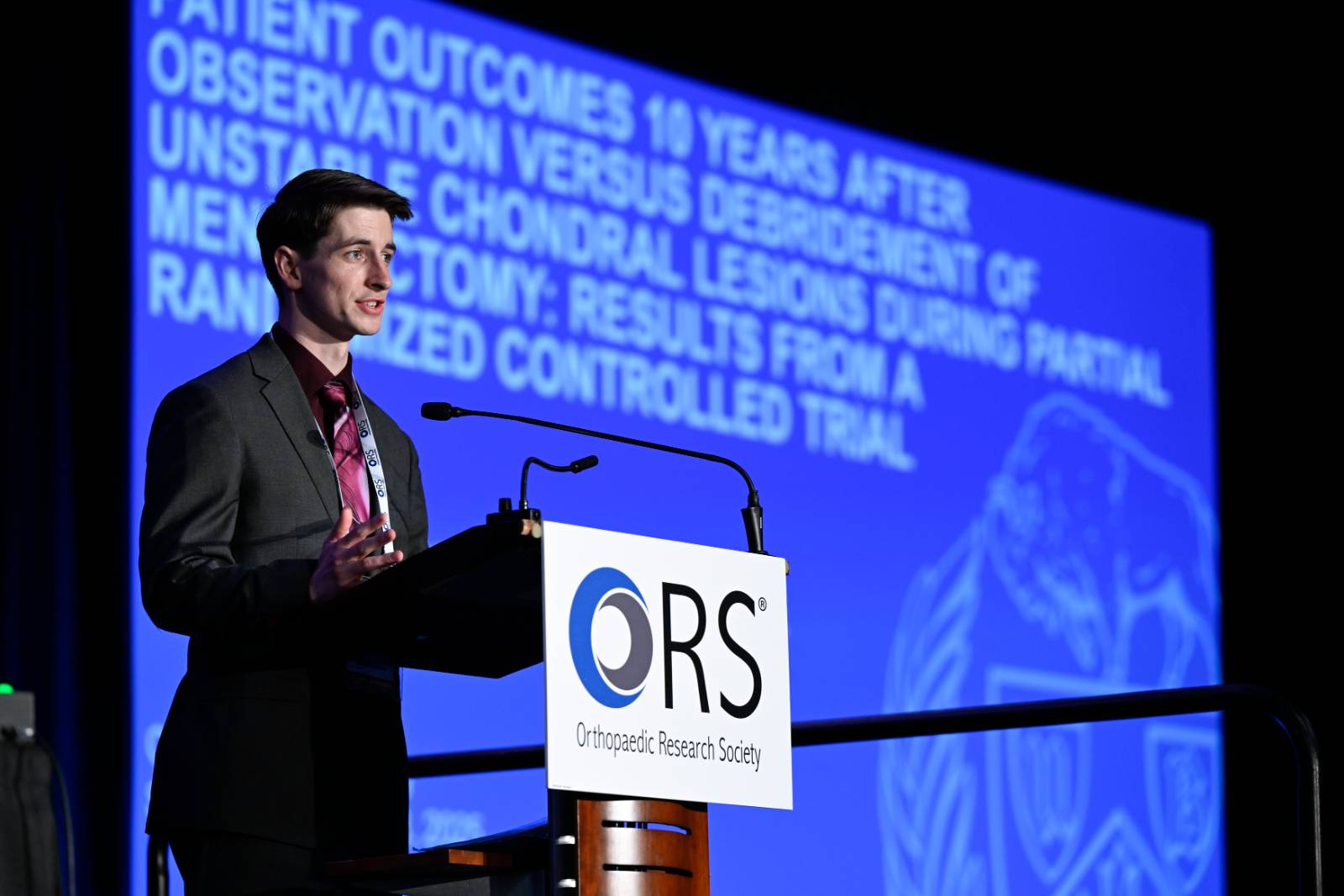
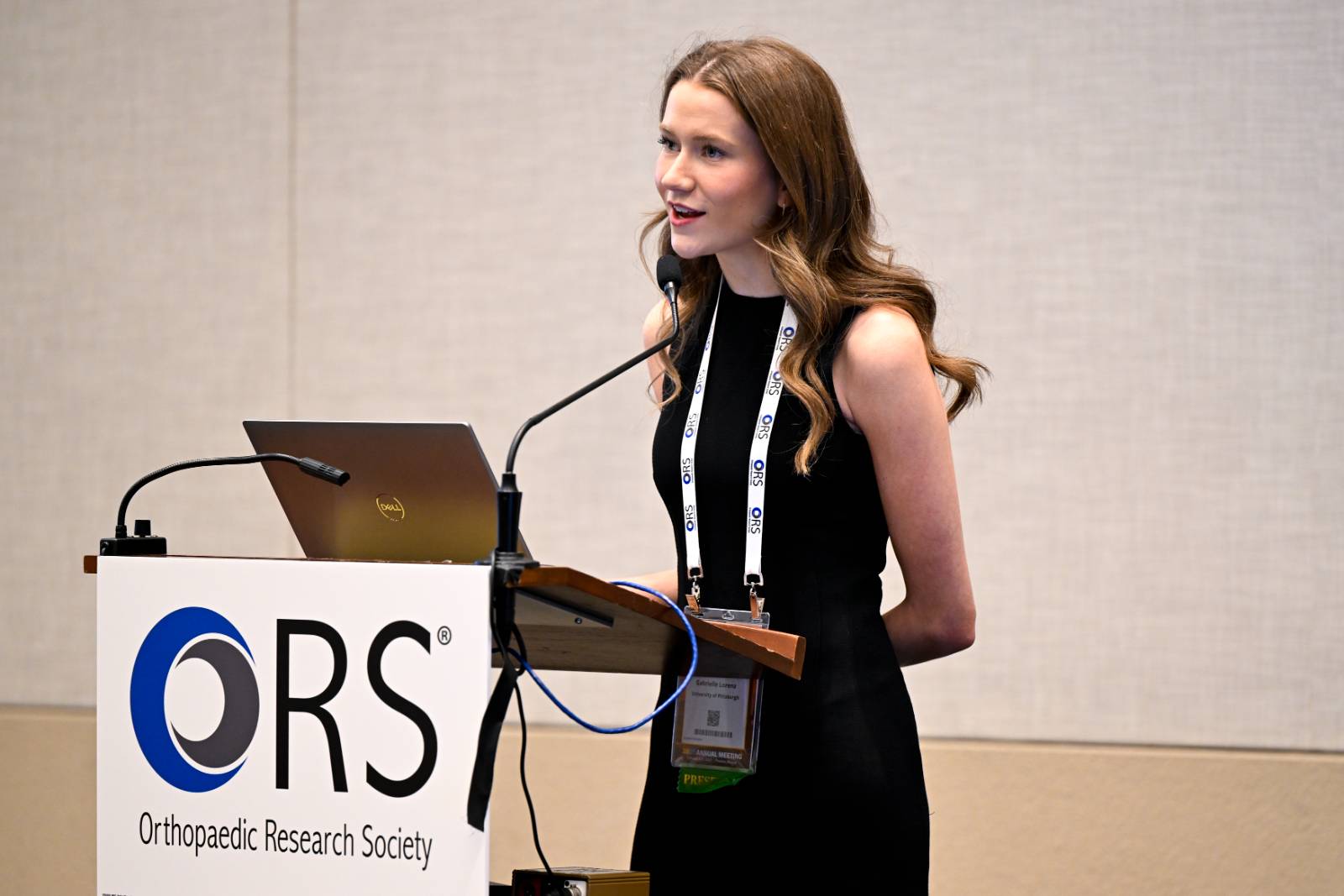
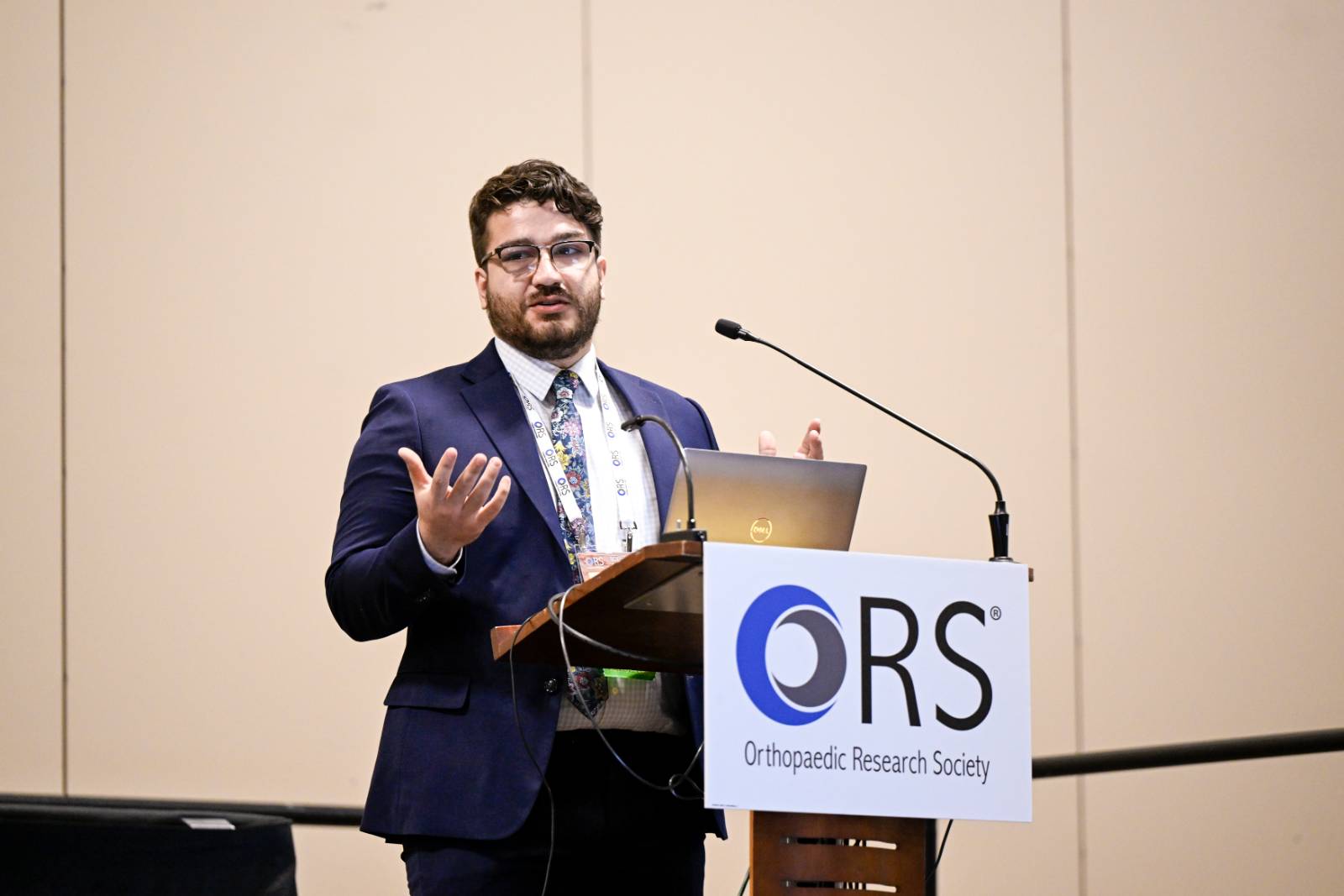
The presenting author will be able to get approval to attend the meeting and present in person. The presenting author may bring an interpreter (which can be a co-author or supervisor who will register and pay the appropriate registration fee) to assist them during the question and answer period following the podium presentation. Podiums presentations are selected from top ranked/scored abstracts for scientific content, rigor and significance.